-
- EN
-
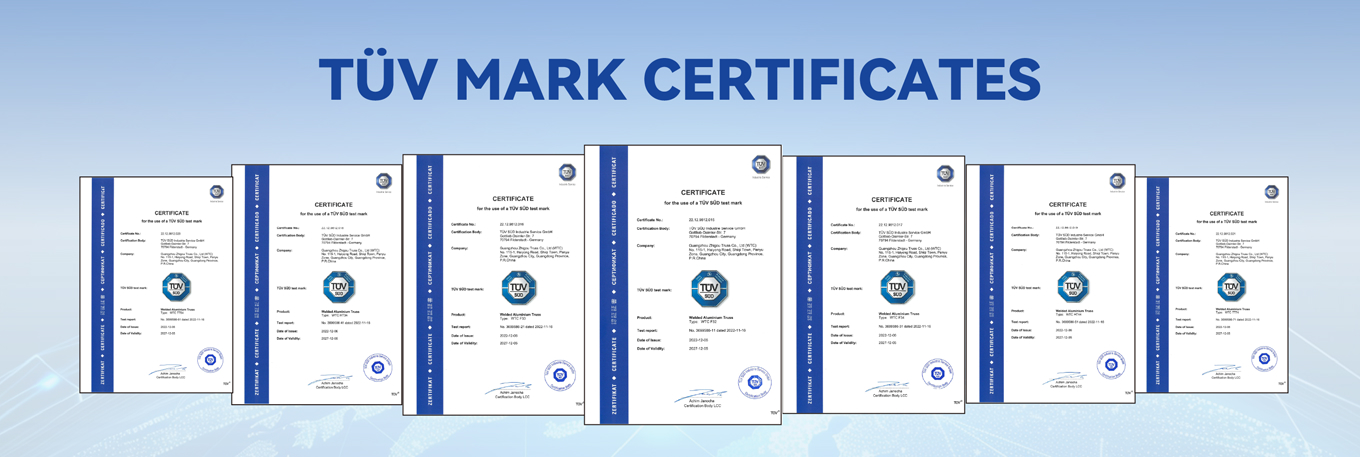
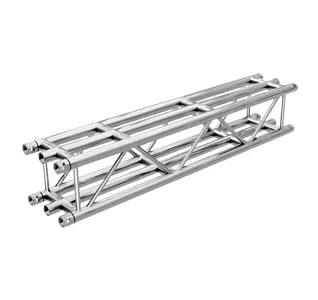
*Seven best-selling truss models certified by WTC
Many people assume that TÜV certification is simply a matter of sending a sample for lab testing and receiving a certificate. But any manufacturer who has been through the real process knows: it is a full-scale audit that covers everything from raw materials to finished goods. There is a world of difference between a product that ”works” and one that is “proven safe and reliable” -and that gap is closed through a series of rigorous, real-world extreme tests and system audits.
For a truss to obtain complete and valid TÜV certification, it must pass four core evaluation stages:
.jpg "CE材料(1).jpg")
*Welding quality system certificate (EN ISO 3834-3)
1. Full Raw Material Inspection
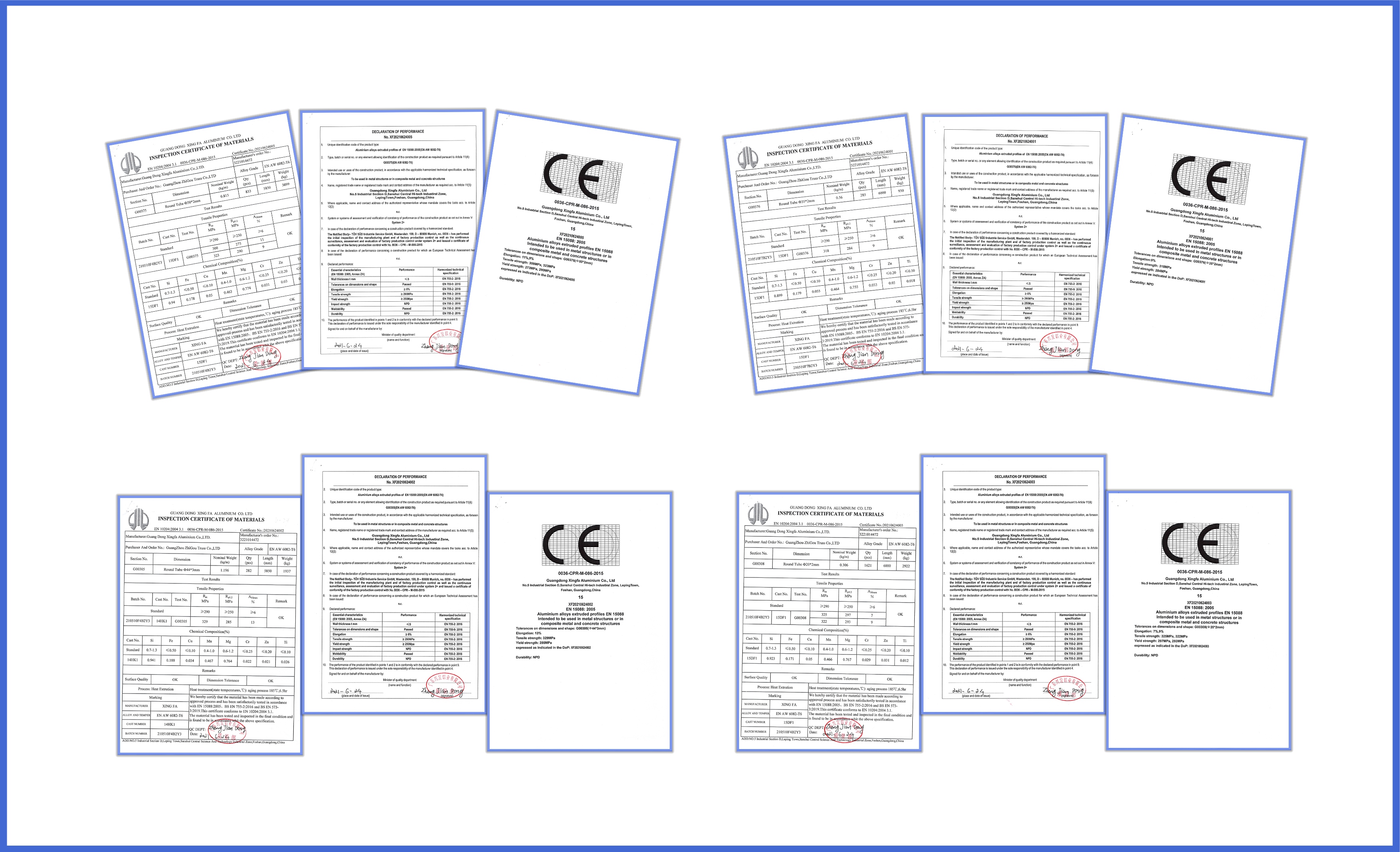 *WTC-Raw material testing
Certification starts at the source. The tubes, connectors, pins, and weld materials used in aluminium trusses must all undergo composition and mechanical property testing:
Aluminium base material: verification of 6082-T6 chemical composition, tensile strength, yield strength, and elongation.
Welds and filler materials: validation of welding procedure compatibility, weld strength, and corrosion resistance.
Metal fittings: hardness and strength tests for load-bearing components such as pins, R-pins, bolts, etc.
If the raw materials fail to meet the standards, none of the subsequent tests can proceed. This is precisely why cheap, low-quality trusses can never pass a proper TÜV certification -the cost gap in materials is evident from the very first step.
2. Static Structural Calculation and Safety Factor
TÜV engineers build a complete mechanical model for each truss type, taking into account its cross-section dimensions, wall thickness, span, and support configuration, to produce a standard load table. The most critical indicator is the safety factor.
Under European standards, the static structural safety factor is generally no less than 1.5. This means that a truss rated for a 1000 kg load must theoretically be capable of withstanding at least 1500 kg without deformation, failure, or damage.
In other words, the load capacity stated on a TÜV certificate is already a derated safe working load-not the ultimate breaking point.
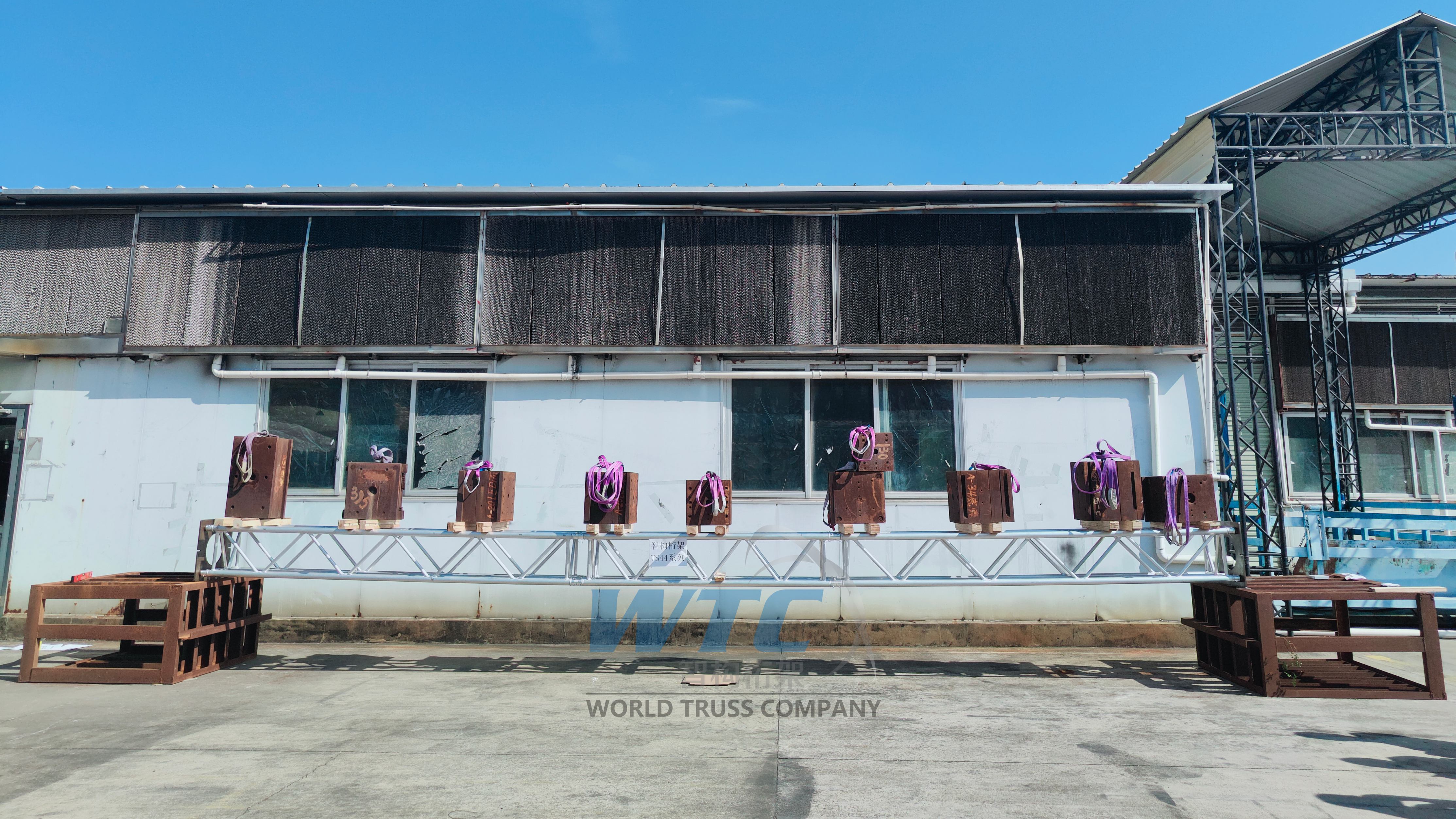
*WTC-Load testing in progress
3. Physical Destructive Testing for Verification
Calculations are theoretical; the final proof must come from physical testing. TÜV certification requires loading test samples to 1.5 times the rated load, and for key models, destructive testing is also performed:
1. The truss is progressively loaded on a dedicated test rig while deflection is monitored.
2. The failure sequence and failure modes of welds, pin connections, and main tubes are verified.
3. Test results must fall within the allowable deviation from theoretical calculations; otherwise, the design must be revised and re-optimised.
All tests are witnessed on-site by official TÜV representatives, ensuring that data is authentic and fully traceable-there is no such thing as a "rubber-stamp" procedure.
.jpg)
*Destructive test at over 1.75x rated load on a truss sample
4. Factory Production System Audit
TÜV certification does not stop at testing a single sample-the core objective is to control the consistency of batch production. TÜV auditors visit the factory and conduct a comprehensive review of welding processes, quality inspection procedures, equipment calibration, and material traceability systems. This ensures that every truss produced in volume meets the same quality level as the certified sample.
A TÜV certificate is not valid for life. Typically, certificates are issued for a period of 3 years, but an annual surveillance audit is mandatory-including on-site factory inspections and random product retesting-to ensure that production standards do not slip. If product quality declines or production systems violate requirements, the certificate may be suspended or revoked.
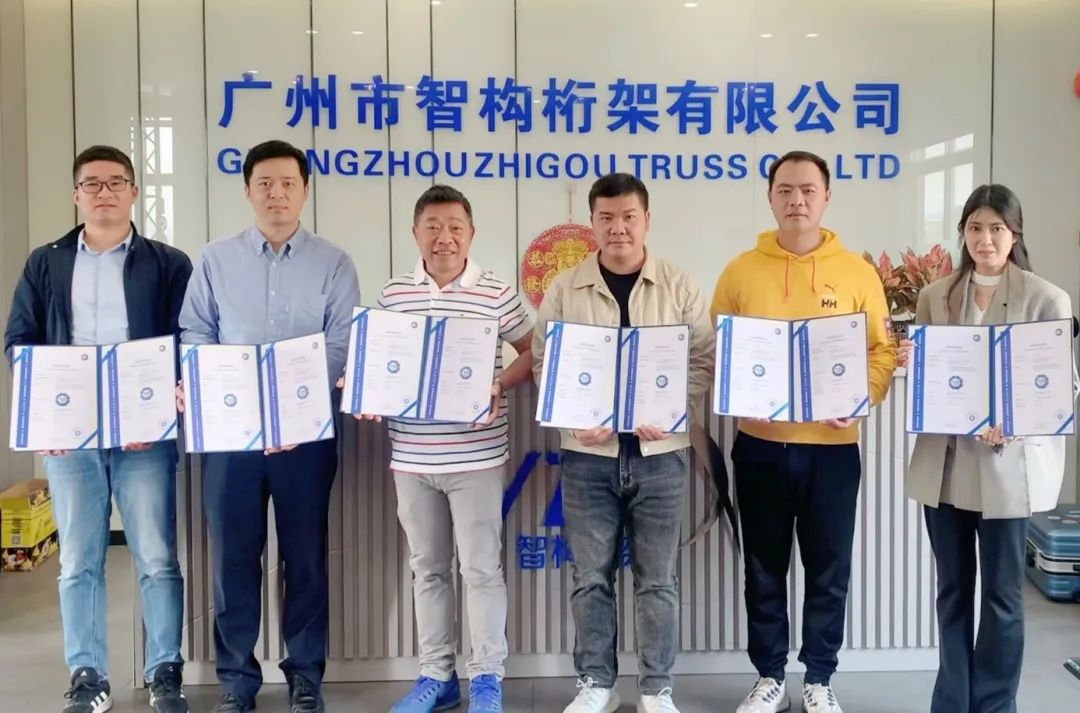
*TÜV SÜD presents the TÜV SÜD Mark certificate to WTC
This is exactly why WTC remains committed to TÜV certification. It is not a one-off marketing expense; it is a management mechanism that continuously drives quality improvement. It demands that the factory follows the standards every single day, rather than cutting corners just to get a certificate. This fundamentally safeguards the safety of every product when used at height.
[Next episode: we’ll explore why trusses absolutely need TÜV certification-and whether the higher cost of a TÜV-certified truss is truly worth the investment.]
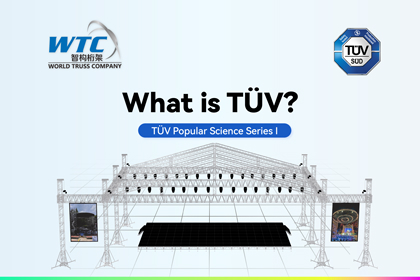 TÜV Explained: Part 1 – What Is TÜV and Why Is It the Highest Safety Authority in the Truss Industry?
 Golden Sea Amazed All Visitors at Prolight+Sound 2024 with AYRTON!
.png "Students from China Academy of Chinese Theatre Arts Visit WTC for Industrial Study") Students from China Academy of Chinese Theatre Arts Visit WTC for Industrial Study
Students from China Academy of Chinese Theatre Arts Visit WTC for Industrial Study
 【WTC】Celebrate the 2023 Annual Gala with Golden Sea!
 Feel the Great Integration of Technology with Art in Macau 2049 with Golden Sea Lighting