-
- EN
-

In the manufacturing of stage trusses, welding residual stress is a critical internal factor that directly affects structural safety in truss long-term using. As a professional manufacturer of stage trusses for a decade, WTC Truss consistently relies on industry authoritative technical research to products and process innovation, with advanced technologies for ensure superior product quality.
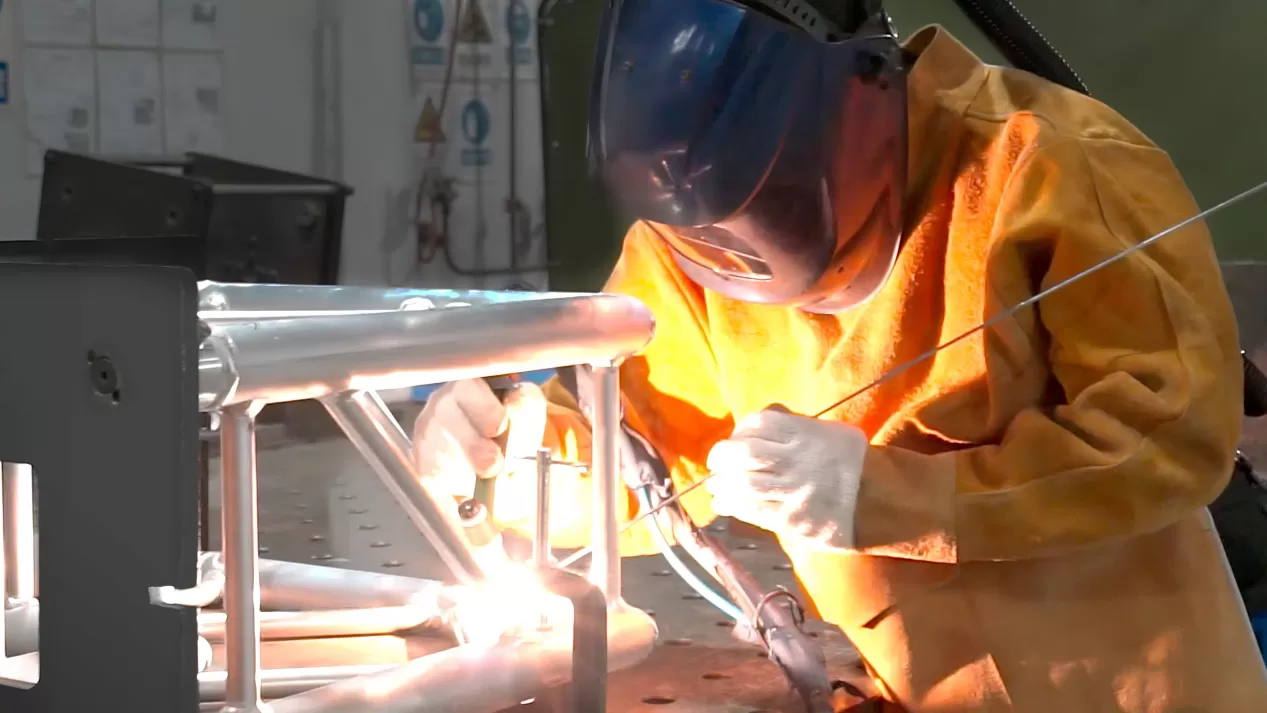
The Harbin Welding Institute of the China Academy of Machinery Science and Technology provides a precise definition about the welding residual stress in its authoritative publication:
“Welding is a process involving localized rapid heating and cooling. During welding, the weld zone is heated and melted while the surrounding base metal remains at a lower temperature. This highly non-uniform temperature field causes thermal expansion and contraction to be constrained by the surrounding cold metal, resulting in internal stresses retained after cooling.” [1]
In simple terms, residual stress refers to internal stress that remain within a welding component in the absence of external force.
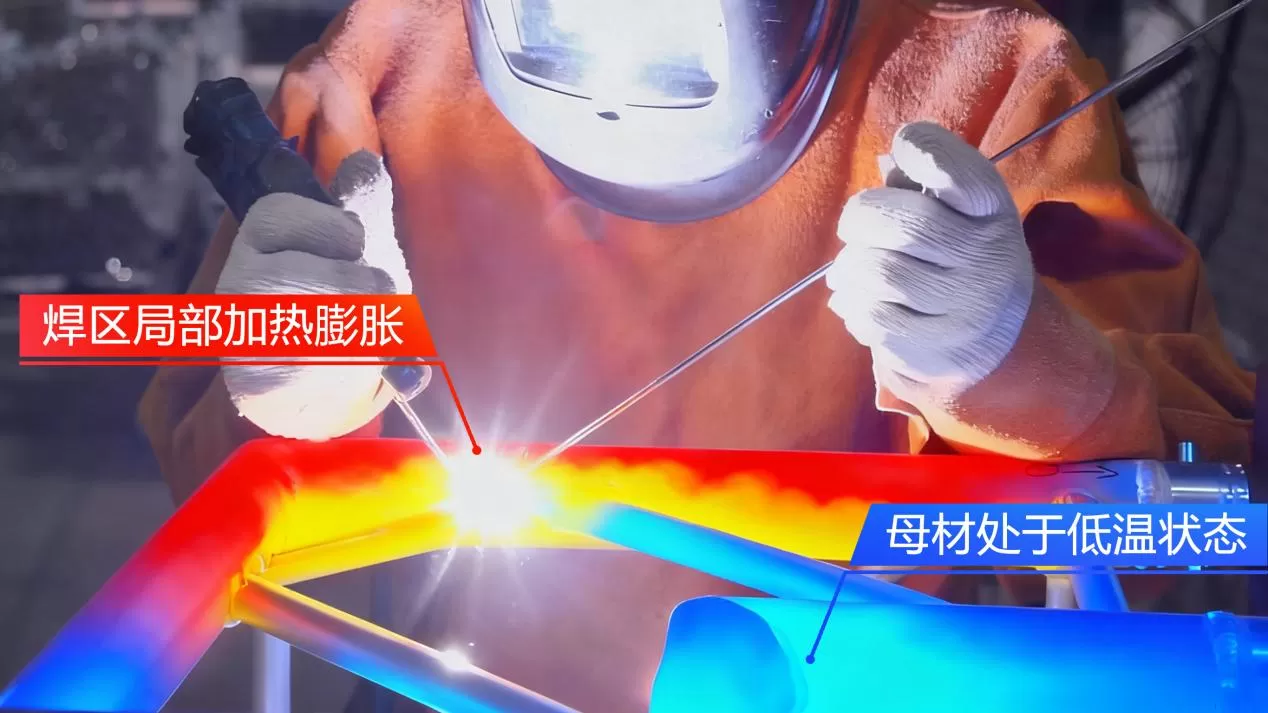
If it not controlled properly, residual stress will become a hidden “structural killer.”
The China Welding Association states: “When the residual stress in truss welded structures, combined with service stresses induced by loads itself, can lead to secondary shape deformation and redistribution of residual stresses. This not only reduces the rigidness and dimensional stability of truss welded structures, but also may severely impair the fatigue strength, break resistance, resistance to stress-corrosion cracking, and resistance to high-temperature creep cracking of the structure and welded joints under the combined effects of temperature and environment .” [2]
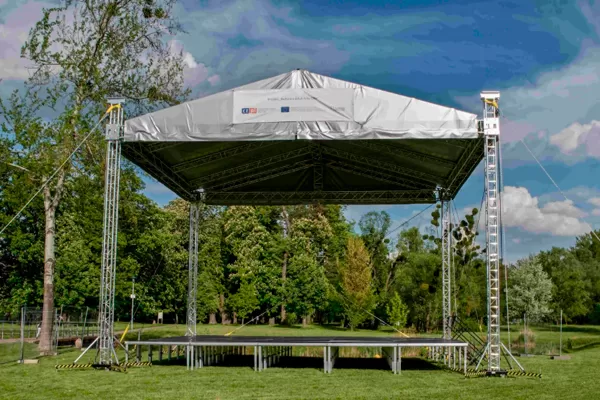
The apply of stage truss system are constantly and frequently subjected to dynamic loads and potential natural scenarios, like outdoor low-temperature conditions that closely match the risks described above.
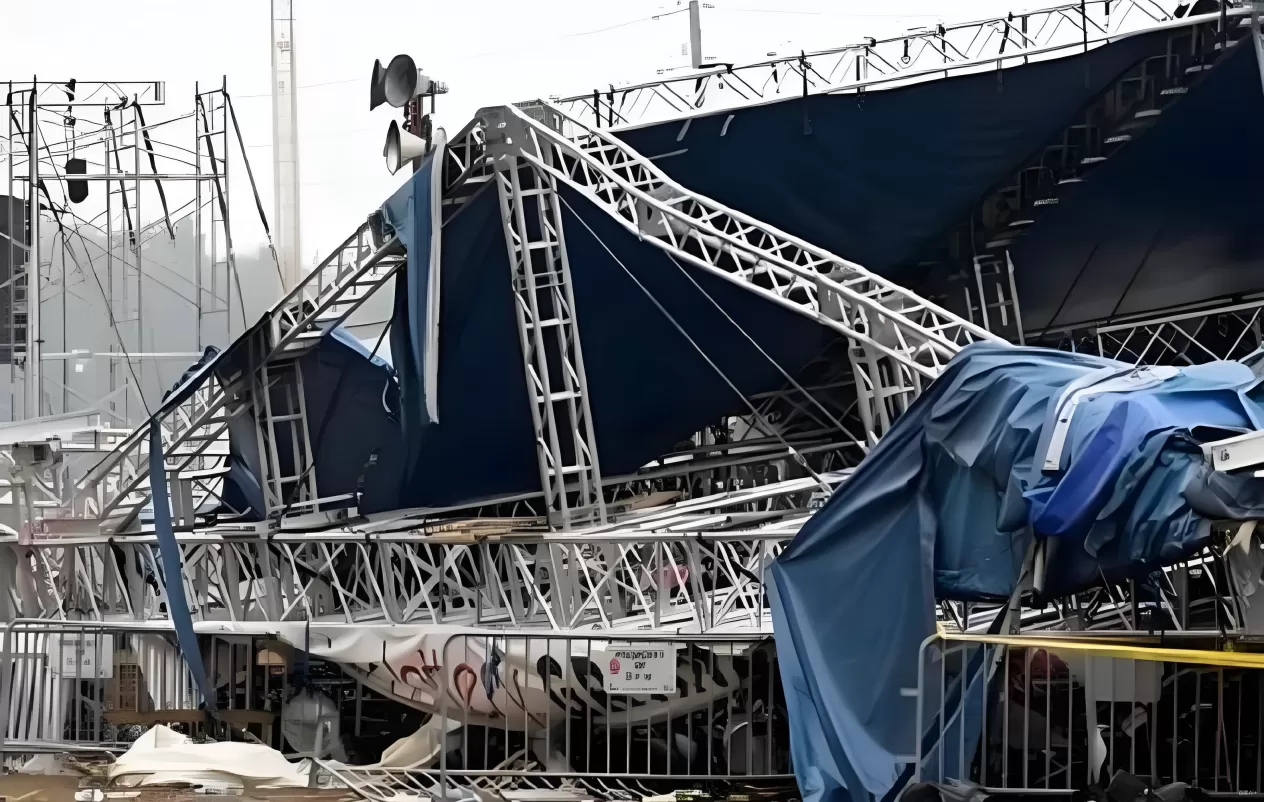
(Illustration sourced from the internet)
As described by the The Harbin Welding Institute: “Elimination methods of post-weld residual stress mainly include thermal aging and vibration stress relief. Vibration stress relief uses resonance of the workpiece to homogenize stress through plastic deformation, offering high efficiency and energy savings.” [3]
Based on the above authoritative theories, WTC Truss has developed a Whole-Process Stress Management System, including:
(1) Prevention from Design: Simulation-based optimization of welding sequences to reduce stress from the source.
(2) Precision Process Control: Application of pulse welding technology to achieve accurate heat input.
(3) Mandatory Stress Elimination: All key load-bearing components undergo frequency-spectrum harmonic vibration aging, ensuring dimensional stability and internal quality.
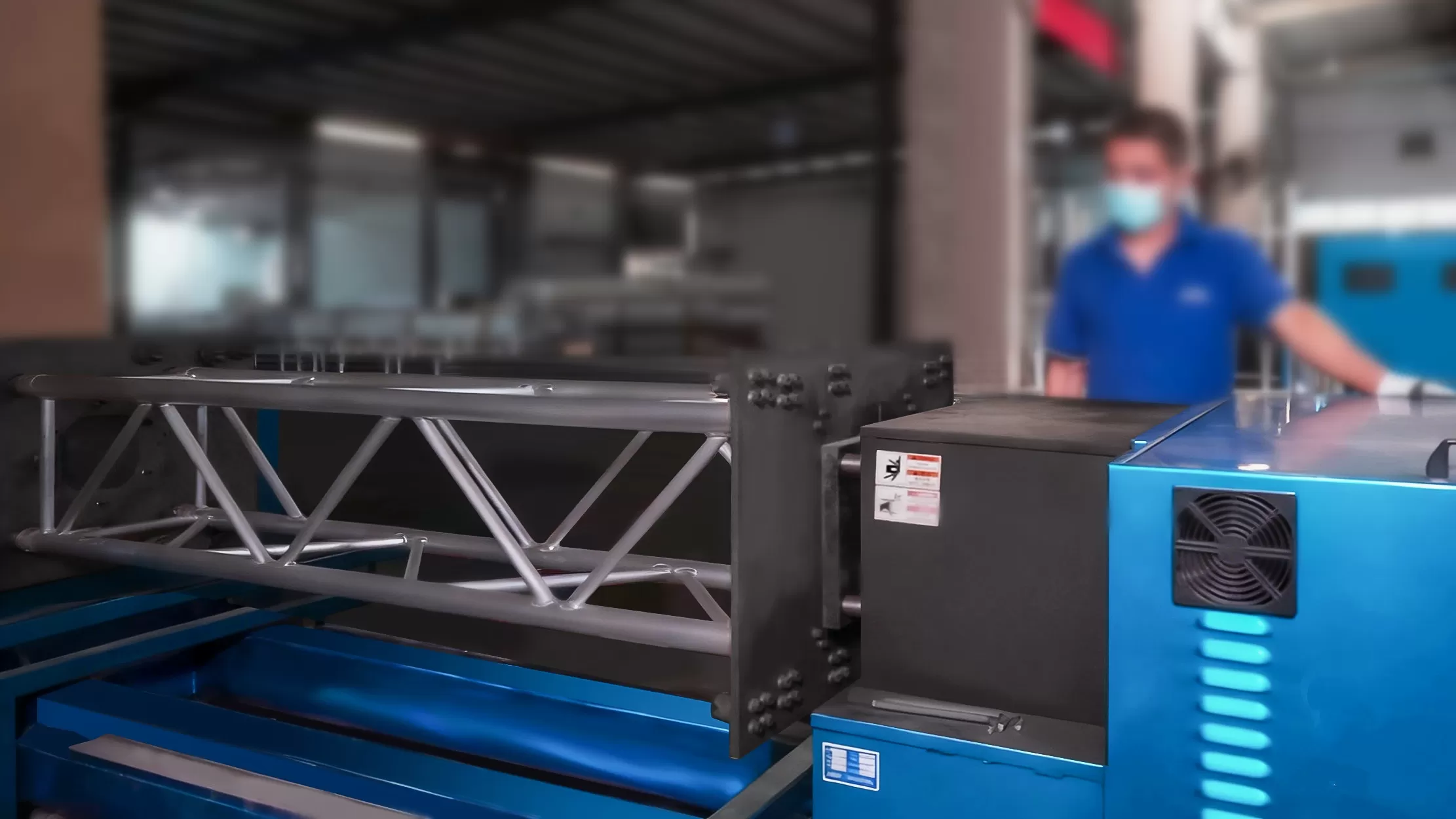
Safety is original from the respect for science. WORLDTRUSS (WTC) positive at adopts and implements top industry standards, committed to delivering premium aluminum truss products with controlled internal stress and absolute safety assurance. We understand that what customer need is not just a truss that “can use” but a truss that allows customer is reliable and feel confident for.
References
[1] Chinese Mechanical Engineering Society Welding Society. Welding Handbook: Welded Structures, Vol. 3, 3rd Edition (Revised). Beijing: China Machine Press, 2015: 94.
[2] An Junwei. Influence of Welding Residual Stress on Seismic Performance of Beam-Column Joints [D]. Tianjin: Tianjin University, 2005.
[3] Chinese Mechanical Engineering Society Welding Society. Welding Handbook: Welded Structures, Vol. 3, 3rd Edition (Revised). Beijing: China Machine Press, 2015: 112.
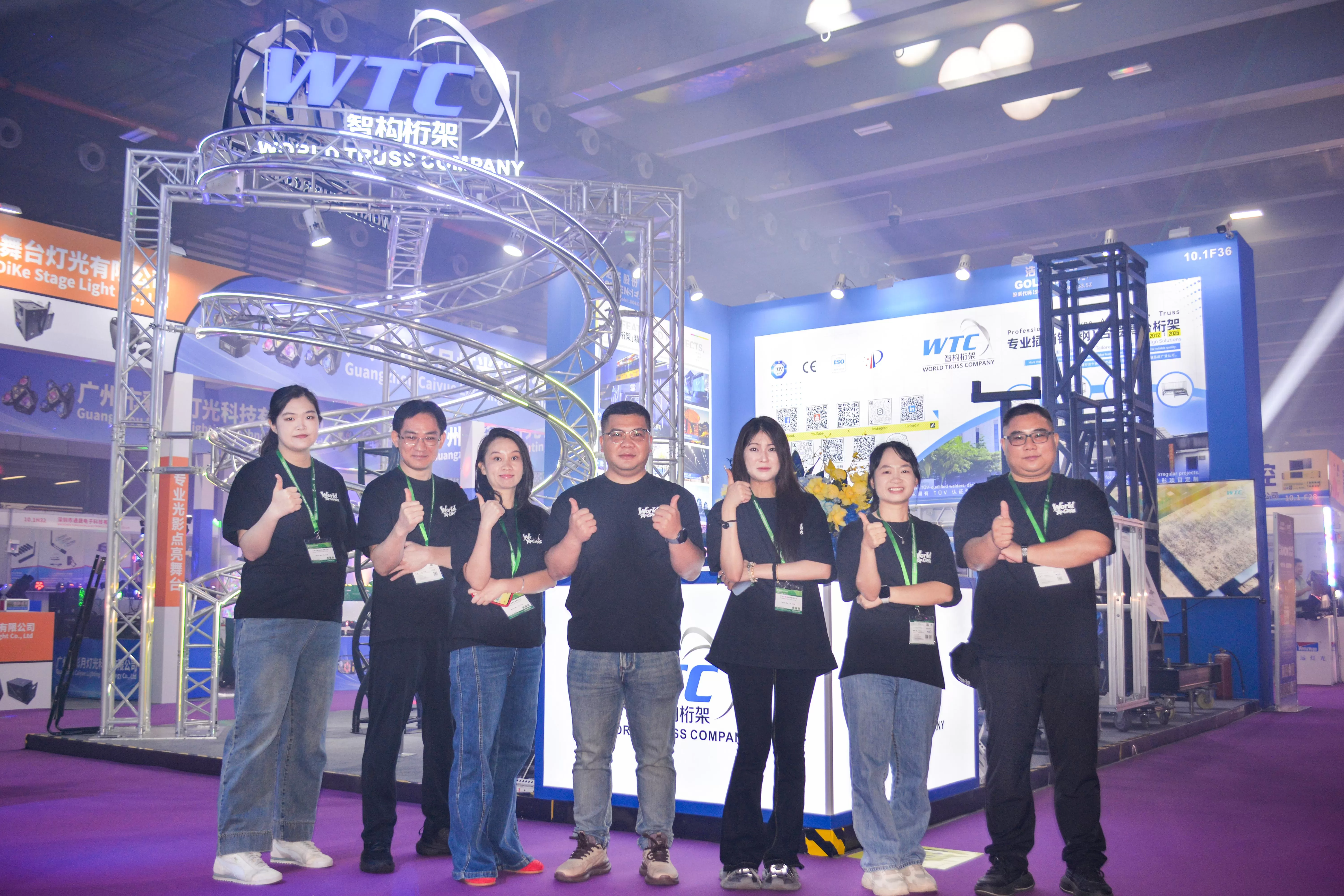 The 2026 Guangzhou International Professional Lighting & Sound Exhibition (PLSG) opens its doors to visitors today
 Golden Sea Produced Excellent Venues for the 2023 Taihu Jazz Festival!
 TÜV Explained: Part 1 – What Is TÜV and Why Is It the Highest Safety Authority in the Truss Industry?
 【WTC】Assembling Stage
 【WTC】TOWERS