-
- EN
-
1. What Is TÜV? And Why Is It the Ultimate Safety Benchmark for the Truss Sector?
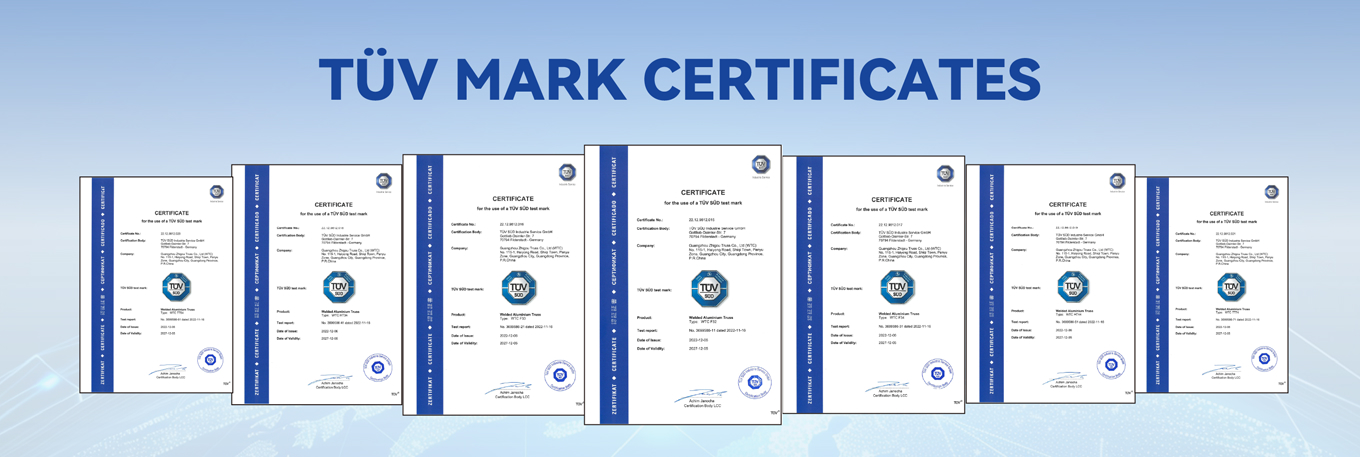
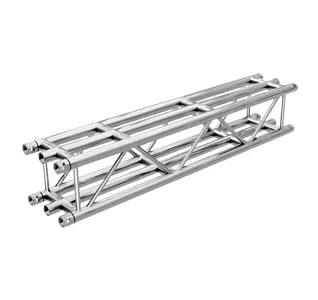
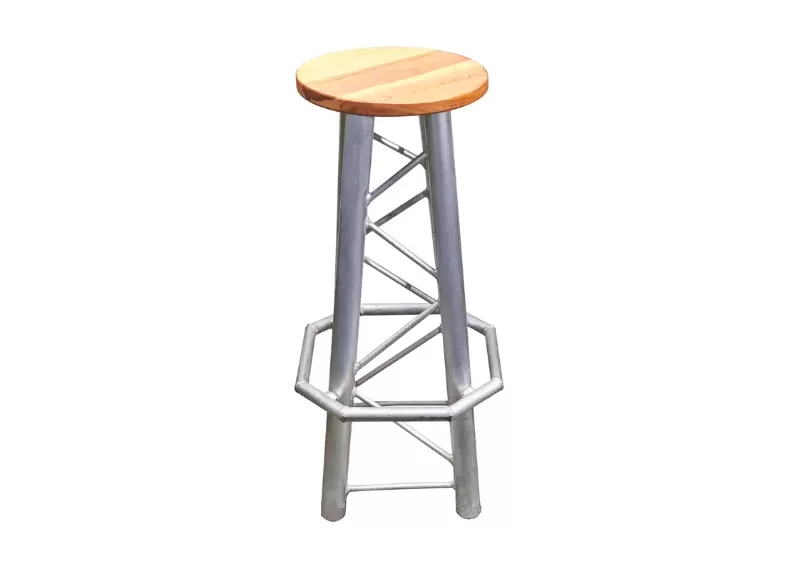
*Seven best selling truss products certified by WTC
TÜV is the abbreviation for the German term Technischer Überwachungsverein, which translates to Technical Inspection Association. Born during the German industrial revolution, it was originally established to manage operational risks in industrial equipment and solve the frequent boiler explosion problems of that era. It is the world's oldest independent third‑party safety supervision system, with over a century of experience in industrial safety auditing.
TÜV is not a single manufacturing company, but rather an umbrella term for several regional technical inspection bodies in Germany, each operating independently. The three most renowned among them are:
TÜV Rheinland – headquartered in Cologne, with the broadest business coverage and highest global recognition.
TÜV SÜD – based in Munich, with strong influence in Europe, particularly in industrial manufacturing, medical devices, and automotive sectors.
TÜV NORD – headquartered in Hanover, primarily active in northern Germany, with deep expertise in energy, heavy industry, and rail transport.
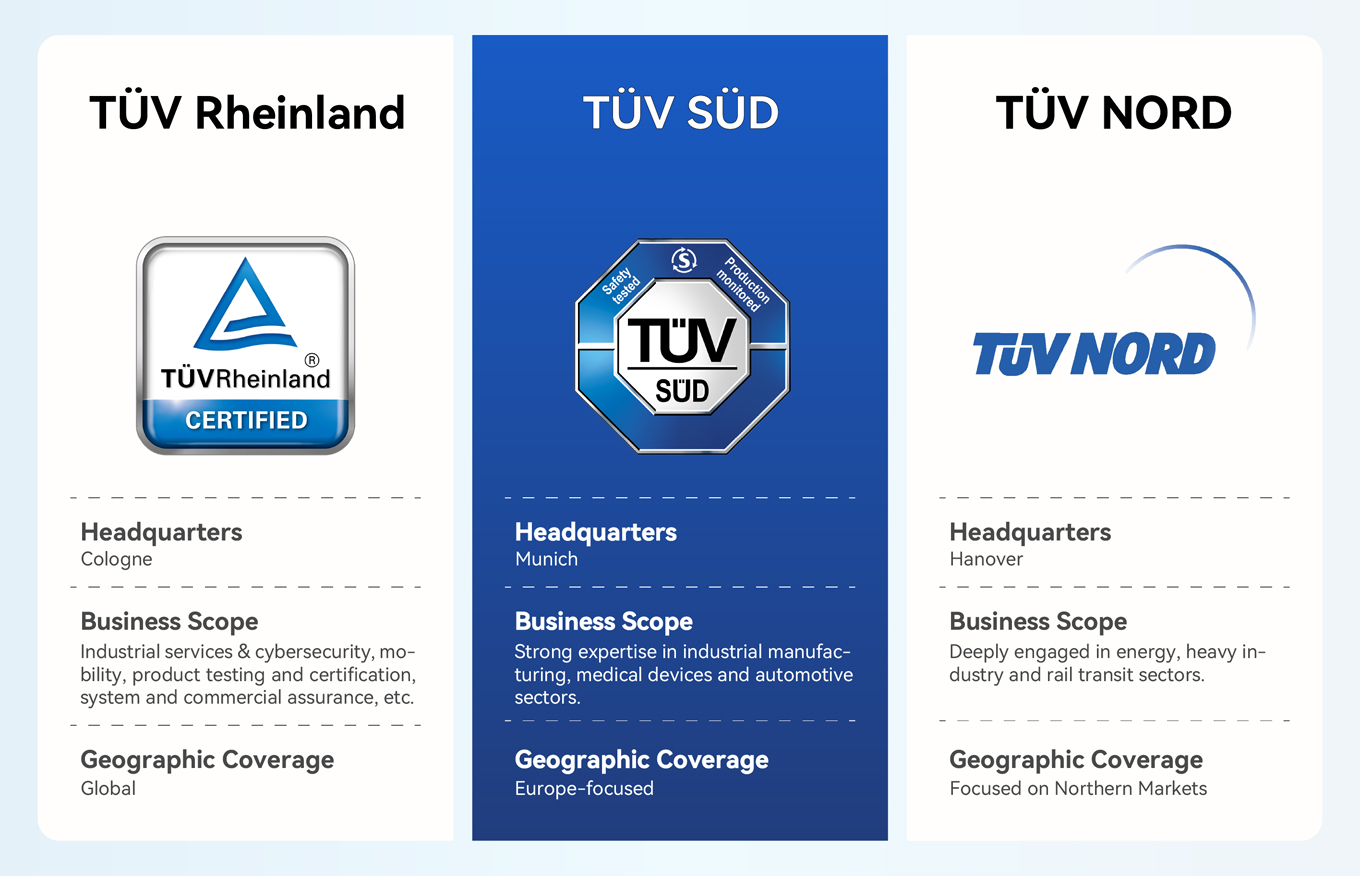
*The certifying body for WTC is TÜV SÜD
TÜV does not manufacture any products. Its sole role is to audit and test product designs, materials, and performance against rigorous European and international standards. Only products that pass all assessments are granted the right to bear the TÜV certification mark and receive official certificates. In the stage truss industry, TÜV Rheinland and TÜV SÜD are the predominant issuing bodies; certificates from either are globally equivalent and universally recognised across the EU and the international event technology sector.
2. Why Does the Truss Industry Place Such High Value on TÜV Certification?
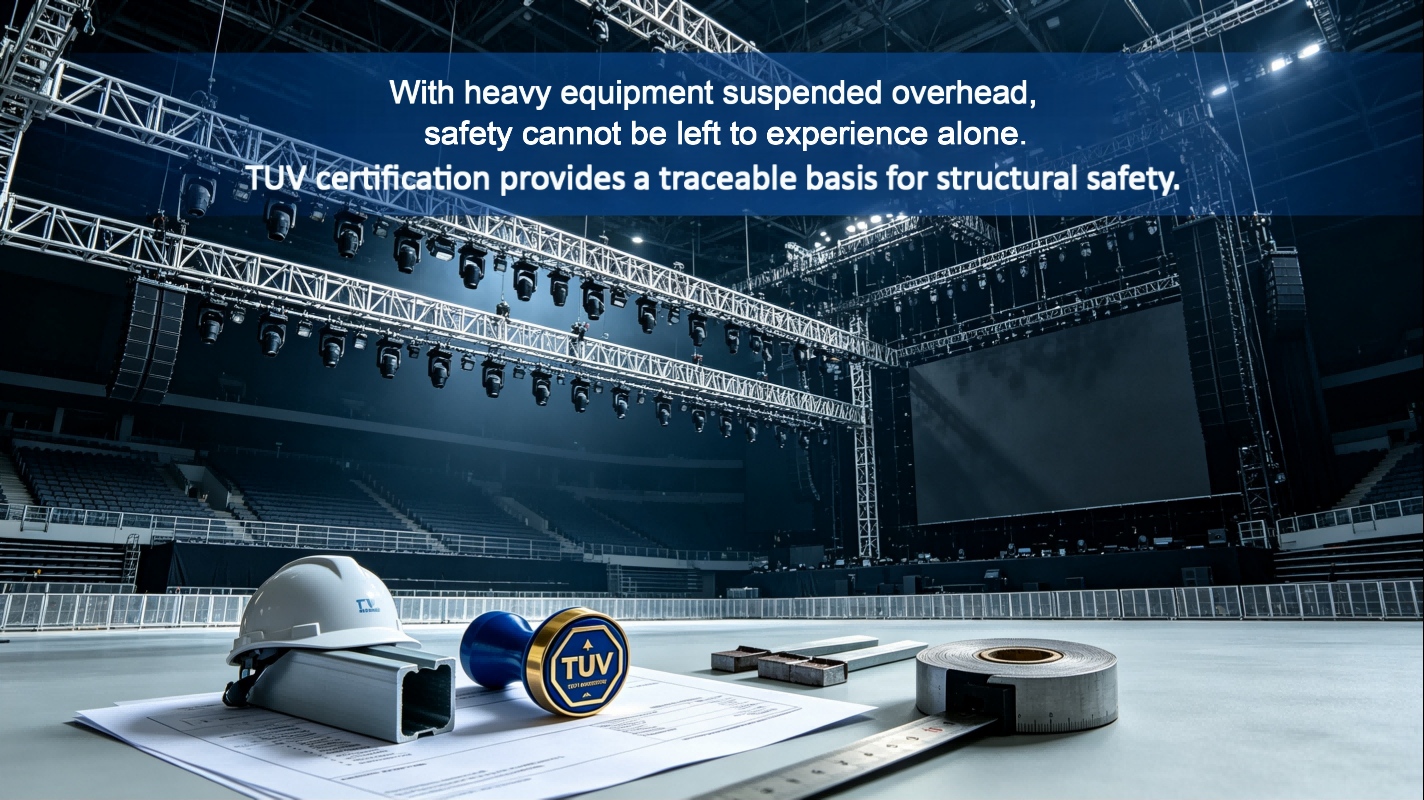
*AI-generated image
Stage trusses are load‑bearing structures. Large quantities of lighting, audio, LED screens, and other heavy equipment are suspended above crowds. Any structural failure can lead to catastrophic casualties and property damage – the consequences are unthinkable. Worldwide, TÜV certification has become the industry's "hard currency" for three fundamental reasons:
1. Legal and regulatory compliance
For large-scale public events within the EU, organisers typically require that erected structures carry independent third‑party certification, and TÜV is the most widely accepted proof. In some countries, customs authorities and venue operators directly inspect certification documents.
2. The safety bottom line
TÜV certification is not something you can simply buy. The crucial difference between TÜV and ordinary testing laboratories is:
·Ordinary testing: only a single sample is sent for lab tests; if that sample passes, a report is issued, with no control over batch production quality.
·TÜV certification: a full-spectrum audit covering design drawings, raw materials, welding procedures, factory quality control, and finished-product load tests. After the certificate is granted, mandatory annual surveillance audits ensure that mass-produced products continue to meet standards – essentially a double layer of safety assurance.
3. Commercial trust
For overseas exhibitions, international tours, and high‑end commercial events, the TÜV mark is the quickest indicator for buyers to assess a supplier's capability, and the most straightforward criterion to distinguish quality products from cheap, substandard alternatives.
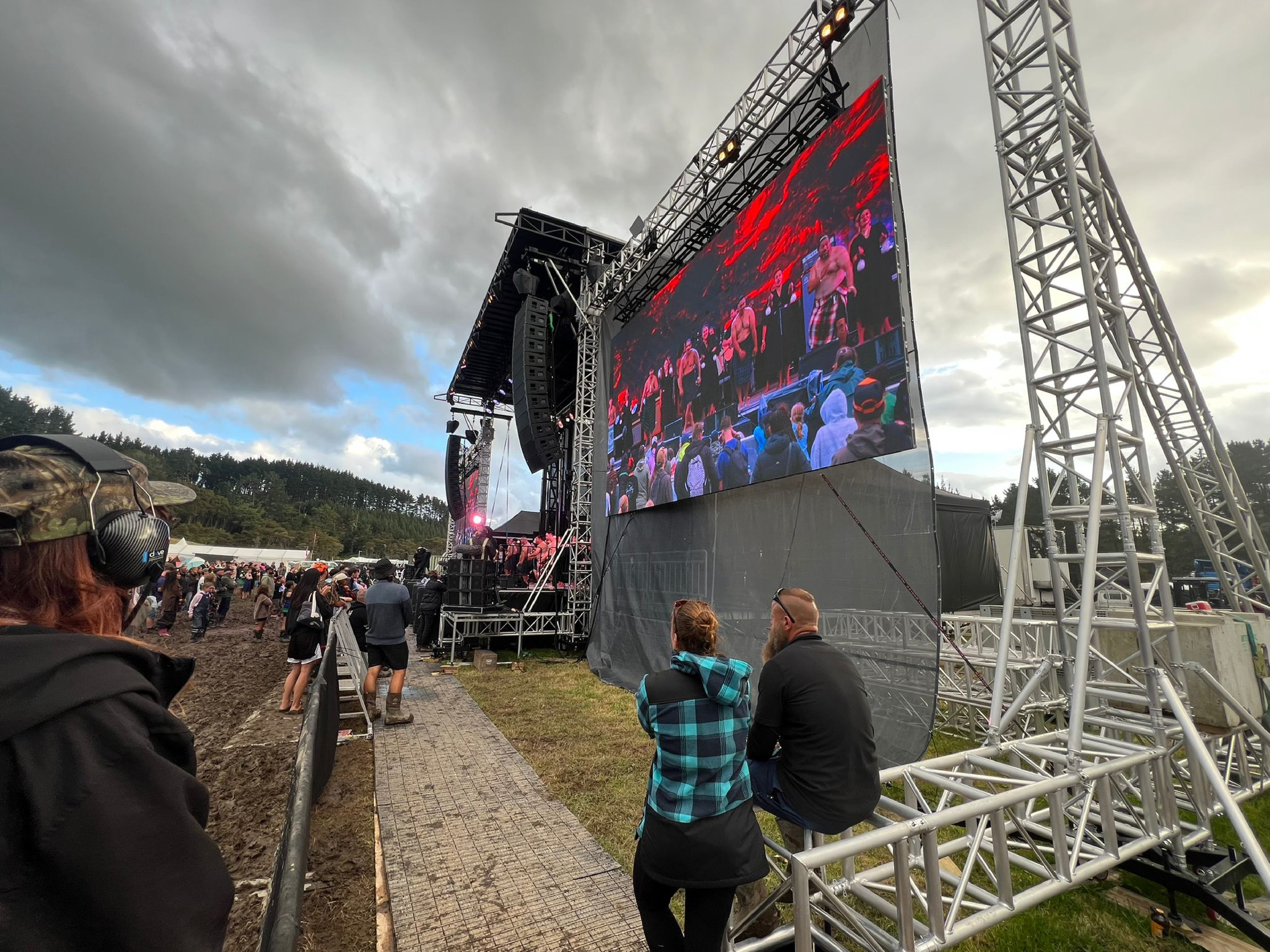
*Safe assembly and use of truss structures
TÜV is far more than a simple certification logo. Behind it stands 150 years of industrial safety history, a steadfast belief that technology must serve humanity, and a legacy of trust built by countless engineers through their expertise and uncompromising commitment.
[Next episode: we’ll take a deep dive into exactly what tests a truss must undergo to earn TÜV certification.]
 Golden Sea Fixtures Together with Chimelong International Circus Presented a Circus Feast
 Square Truss: Why Heavy-Duty Systems Are Essential for Massive LED Screens in 2026
.jpg "Electric Hoist | Labor-Saving Workhorse for Stage Rigging Setup") Electric Hoist | Labor-Saving Workhorse for Stage Rigging Setup
Electric Hoist | Labor-Saving Workhorse for Stage Rigging Setup
 Do You Know That the High-Quality Truss Products Need to Apply for Certification from TÜV SÜD?