-
- EN
-
Safety and stability of the large LED screen support system are critical in major events. For the two mainstream solutions—gantry and back frame—purchasing must be based on scenarios, load-bearing capacity, and installation methods, in strict compliance with industry specifications.
In accordance with Clause 5.2.3 and Clause 5.2.2 of Technical Code for Video Display System Engineering GB 50464-2008 [1] and Clause 10.7.1 of Code for Acceptance of Construction Quality of Steel Structures GB 50205-2020 [2], LED screen support structures shall meet the requirements of strength, stability, and installation accuracy. Purchasers shall adhere to the principles of safety priority, structural reliability, and qualified material standards.
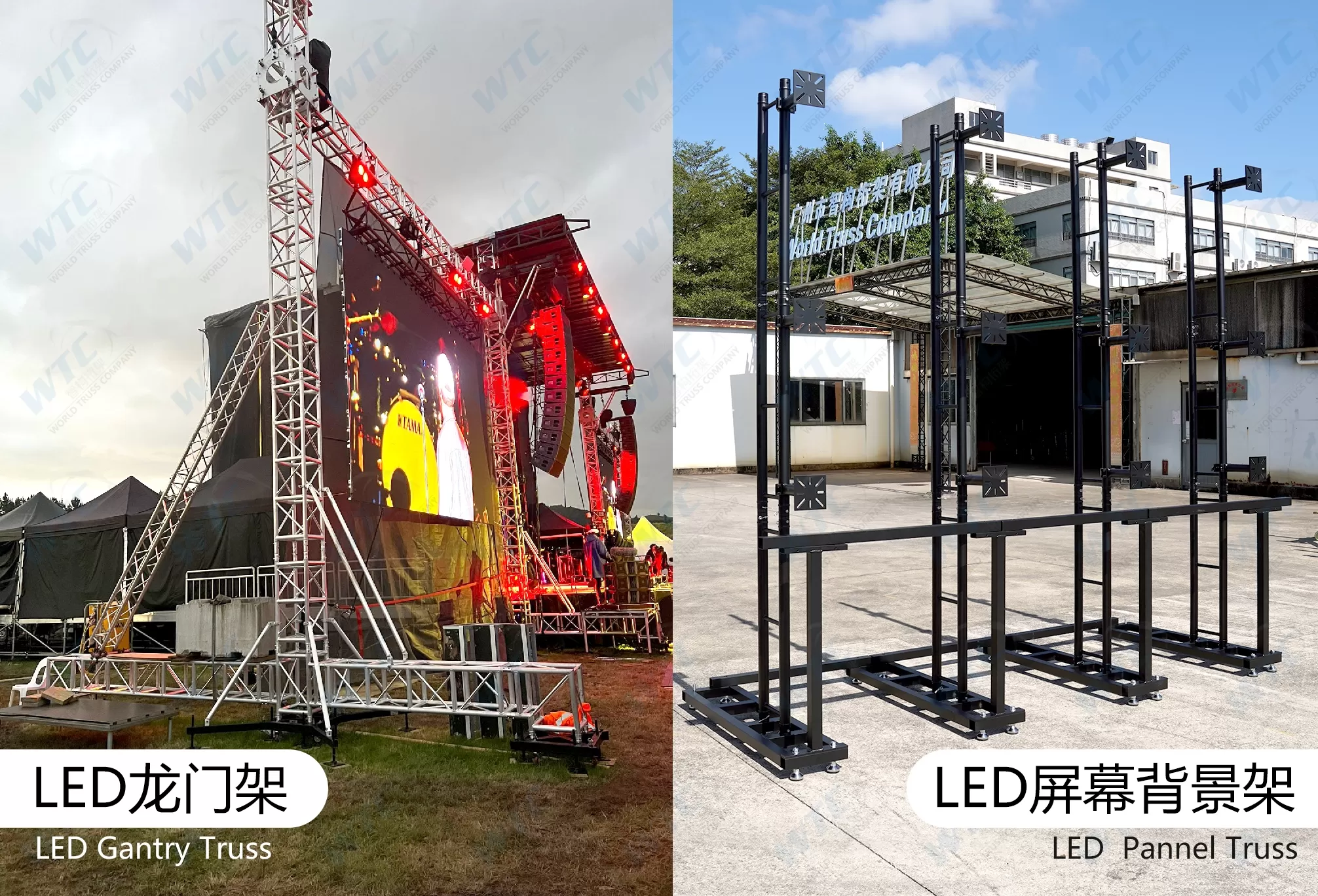
I. LED Screen Gantry: Rapid Hoisting Integrated Solution
The screen gantry adopts pin connection for convenient assembly and disassembly, making it suitable for rapid venue transitions. The beam truss is specially designed for large LED screens, capable of safely bearing large-area and heavy-weight display panels. Compliant with Safety Supervision and Inspection Code for Stage and Grandstand of Temporarily Erected Performance Venues WH/T 92-2021, temporary hoisting structures shall have sufficient safety redundancy and anti-vibration capacity [3]. Matching cross-arms can suspend audio equipment simultaneously, realizing integrated hoisting of sound, light, and electricity, and effectively optimizing the utilization rate of stage space.
Typical Scenarios Indoor and outdoor performance activities requiring top hoisting, rapid construction, and sound-light-electricity integration.
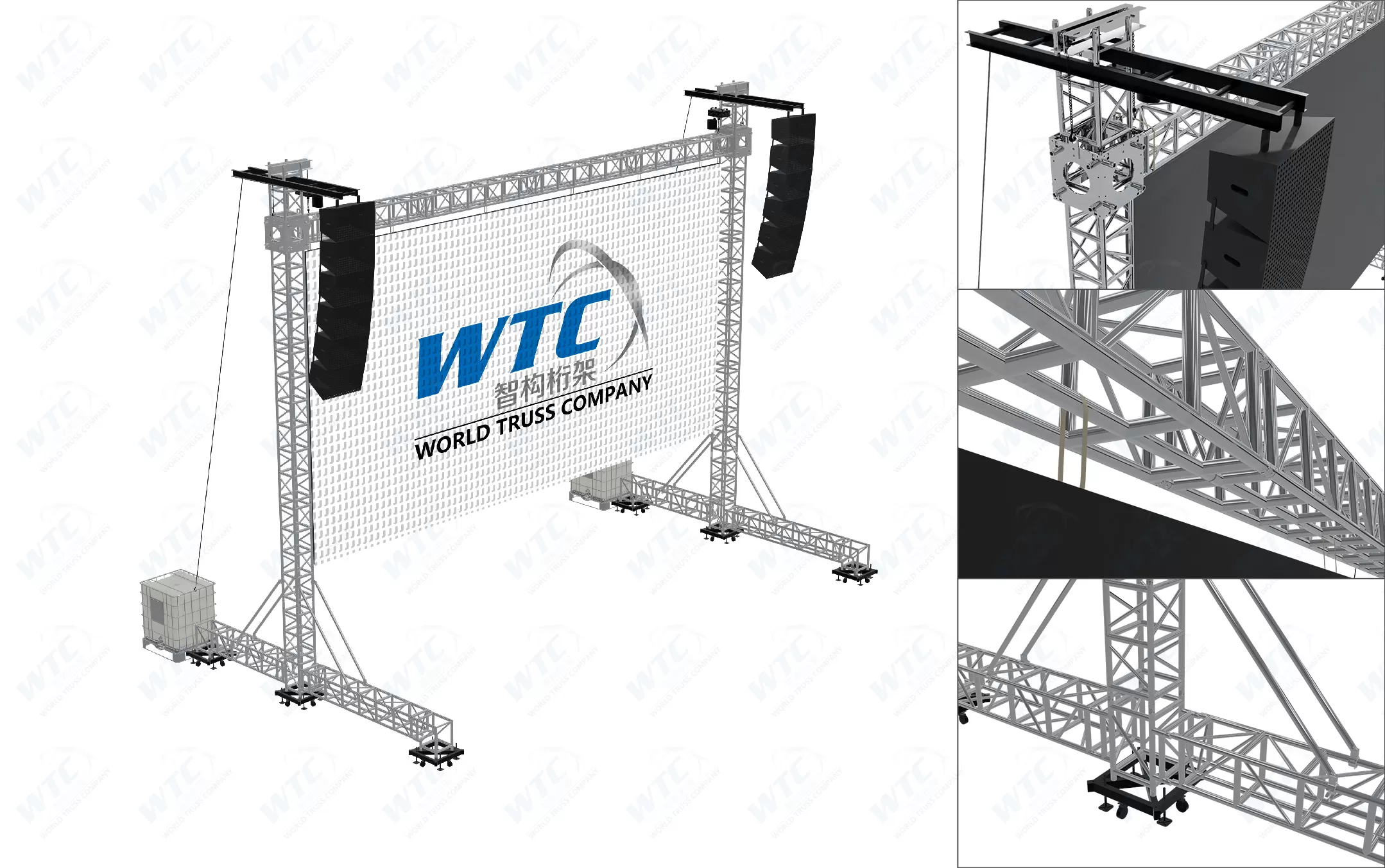
II. LED Screen Back Frame: Floor-Standing Stable Large Screen Support Solution
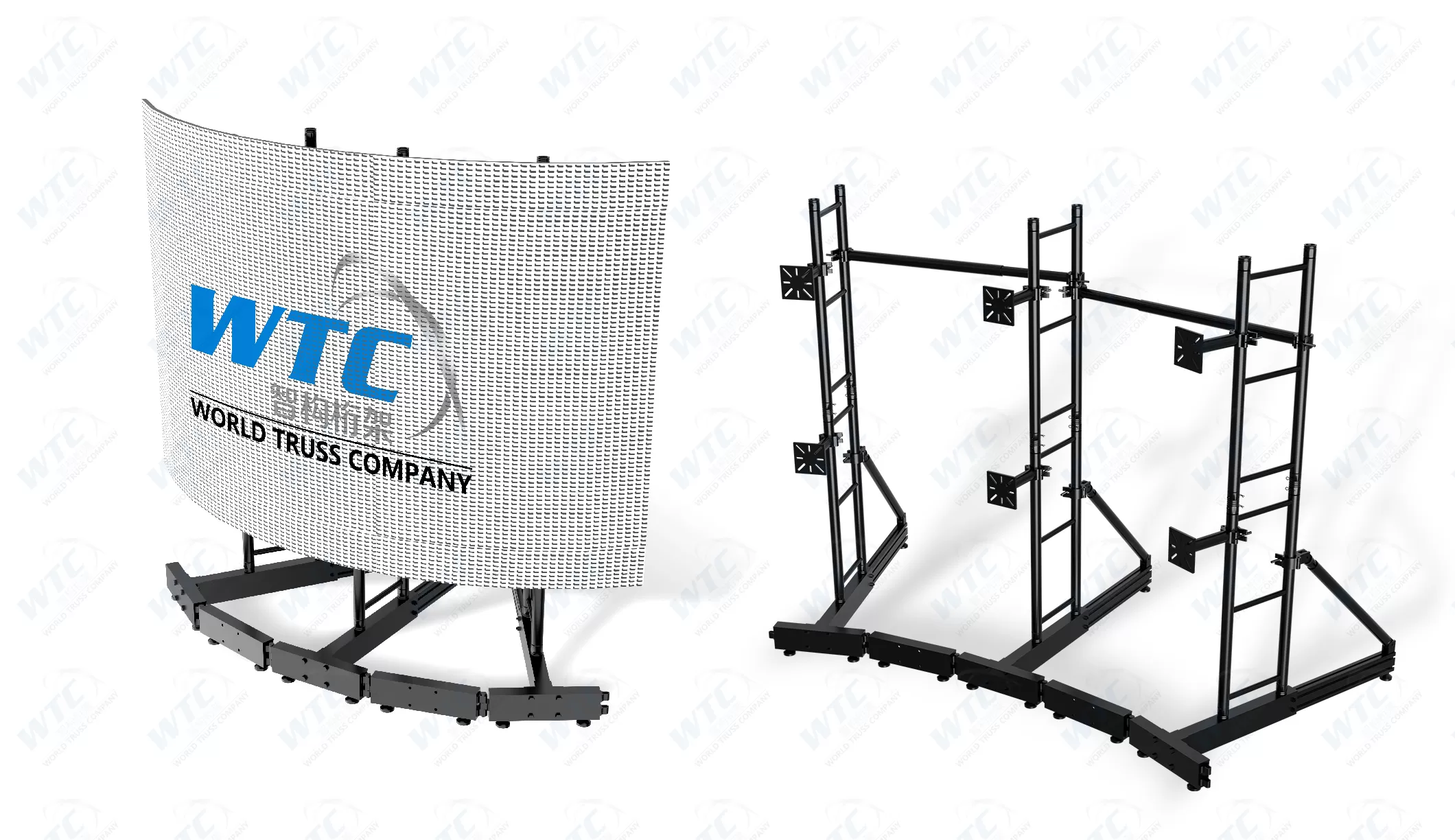
The screen back frame consists of single-row frame modules, with adjustable positions and quantities of lighting hooks to ensure uniform stress on the screen body; the base is equipped with thickened aluminum square tubes and anti-slip adjustable feet. According to Technical Standard for Urban Outdoor Advertisements and Sign Facilities CJJ/T 149-2021: "The installation of LED advertising display screens shall meet the requirements of structural safety and installation accuracy" [4]. It has minimal deformation under strong wind, vibration, and eccentric load, can be fixed on the ground or with counterweights without relying on load-bearing walls.
Typical Scenarios Floor-standing fixed installations such as background screens, display walls, sports scoreboards, and outdoor advertising screens.
III. Selection Comparison & Key Purchasing Points
1. Installation Method
Gantry: Top hoisting, suitable for performance activities with rapid assembly/disassembly and open venues.
Back Frame: Floor-standing support, suitable for fixed installations such as background screens, event screens, and outdoor advertisements.
2. Material Standard
Prioritize “6082-T6 aluminum alloy” in compliance with GB/T 6892-2023 Extruded Profiles of Aluminum and Aluminum Alloys for General Industrial Use [5] to ensure structural strength.
3. Safety RequirementsProducts must pass “1.5 times rated load test [6]” and provide formal inspection reports to ensure operational safety.
4. Scenario Selection
Touring performances, temporary events → Gantry
Exhibition backgrounds, sports events, outdoor advertisements → Back Frame
 IV. Summary
The LED screen gantry features rapid hoisting, high integration, and convenient venue transitions; the back frame focuses on floor-standing stability, large-area adaptation, and long-term use. Taking national standards as the bottom line, purchasers should select based on installation conditions, screen specifications, and usage scenarios to balance safety, efficiency, and cost, providing stable and reliable support for events.
References
[1] Technical Code for Video Display System Engineering: GB 50464-2008 [S]. Beijing: China Planning Press, 2008. Clause 5.2.2, Clause 5.2.3.
[2] Code for Acceptance of Construction Quality of Steel Structures: GB 50205-2020 [S]. Beijing: China Architecture & Building Press, 2020. Clause 10.7.1.
[3] Safety Supervision and Inspection Code for Stage and Grandstand of Temporarily Erected Performance Venues: WH/T 92-2021 [S]. Beijing: China Standards Press, 2021. Chapter 6 Acceptance Inspection, Clause 6.2.
[4] Technical Standard for Urban Outdoor Advertisements and Sign Facilities: CJJ/T 149-2021 [S]. Beijing: China Architecture & Building Press, 2021. Chapter 9 Construction and Acceptance, Clause 9.5.10.
[5] Extruded Profiles of Aluminum and Aluminum Alloys for General Industrial Use: GB/T 6892-2023 [S]. Beijing: China Standards Press, 2023. Chapter 5 Technical Requirements, Clause 5.2.
[6] Safety Code for Installation of Large LED Display Screens (International) [S]. Chapter 6 Structural Safety, Clause 6.3.
 WTC Invited to Visit the Activities of Guangdong Academy of Sciences
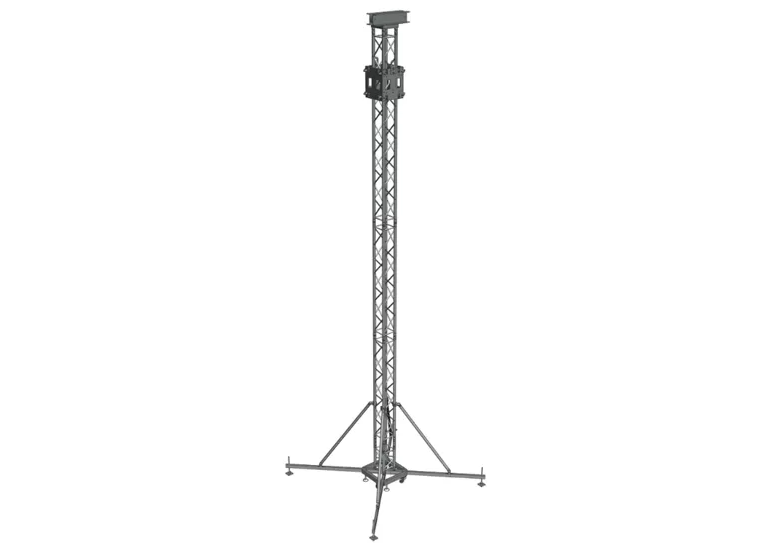 Truss Tower: Maximizing Event Turnaround With Modular Ground Support Systems
 Golden Sea Successfully Finished Its Exhibition at PLSG 2024!
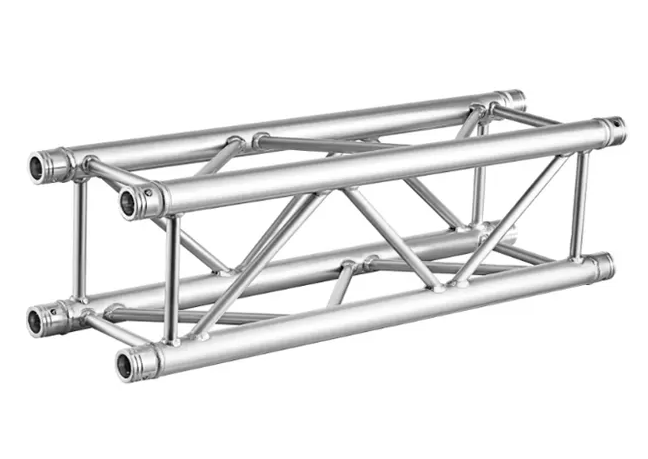 Square Truss: Understanding Load-Bearing Capacity in Aluminum Truss Systems
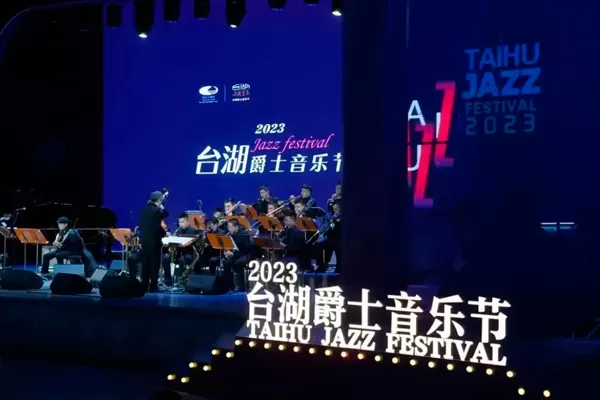 Golden Sea Produced Excellent Venues for the 2023 Taihu Jazz Festival!