-
- EN
-

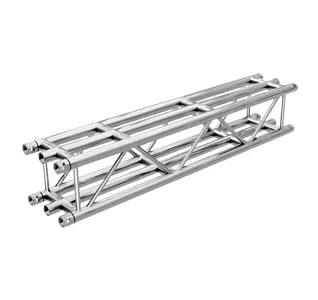
Aluminum alloy trusses, as the core structural components for stage construction, exhibition layout, and industrial support, have their performance determined by the raw materials. Commonly used grades in the industry include 6061, 6082, and 7005. Due to differences in alloy composition and heat treatment processes, each grade has its own performance emphasis. Therefore, a scientific selection should be made based on actual needs.

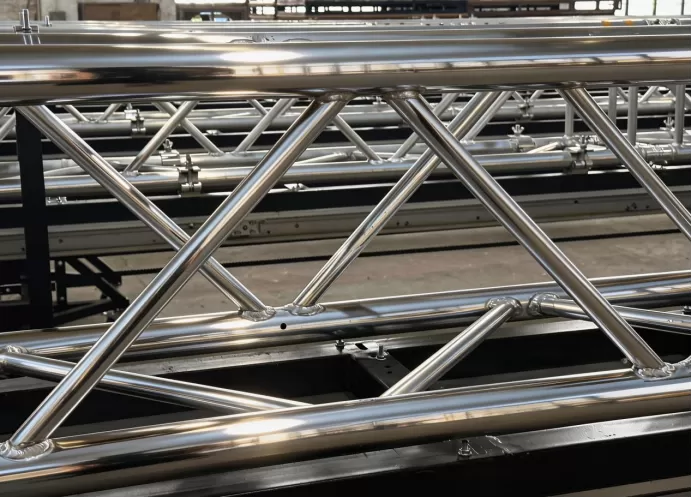
I. Properties and Overview of Commonly Used Aluminum Materials
6061 aluminum alloy: It has balanced comprehensive performance, excellent corrosion resistance, and is easy to process. Its typical yield strength is approximately 240 MPa [1], and it is competitively priced, making it widely used in applications where cost-effectiveness is a priority.
6082 Aluminum Alloy: Commonly referred to as a "structural alloy" in Europe. Its strength is higher than that of 6061, with a yield strength of over 260 MPa in the T6 state [1]. It also maintains good toughness and fatigue resistance, making it suitable for structures subjected to dynamic loads and long-term static loads.
7005 Aluminum Alloy: It is a high-strength aluminum-zinc-magnesium alloy with a strength similar to that of 6082. It has good weldability, but its resistance to stress corrosion is usually lower than that of 6000 series alloys [2]. Its price fluctuates significantly due to the influence of alloying elements such as zinc.
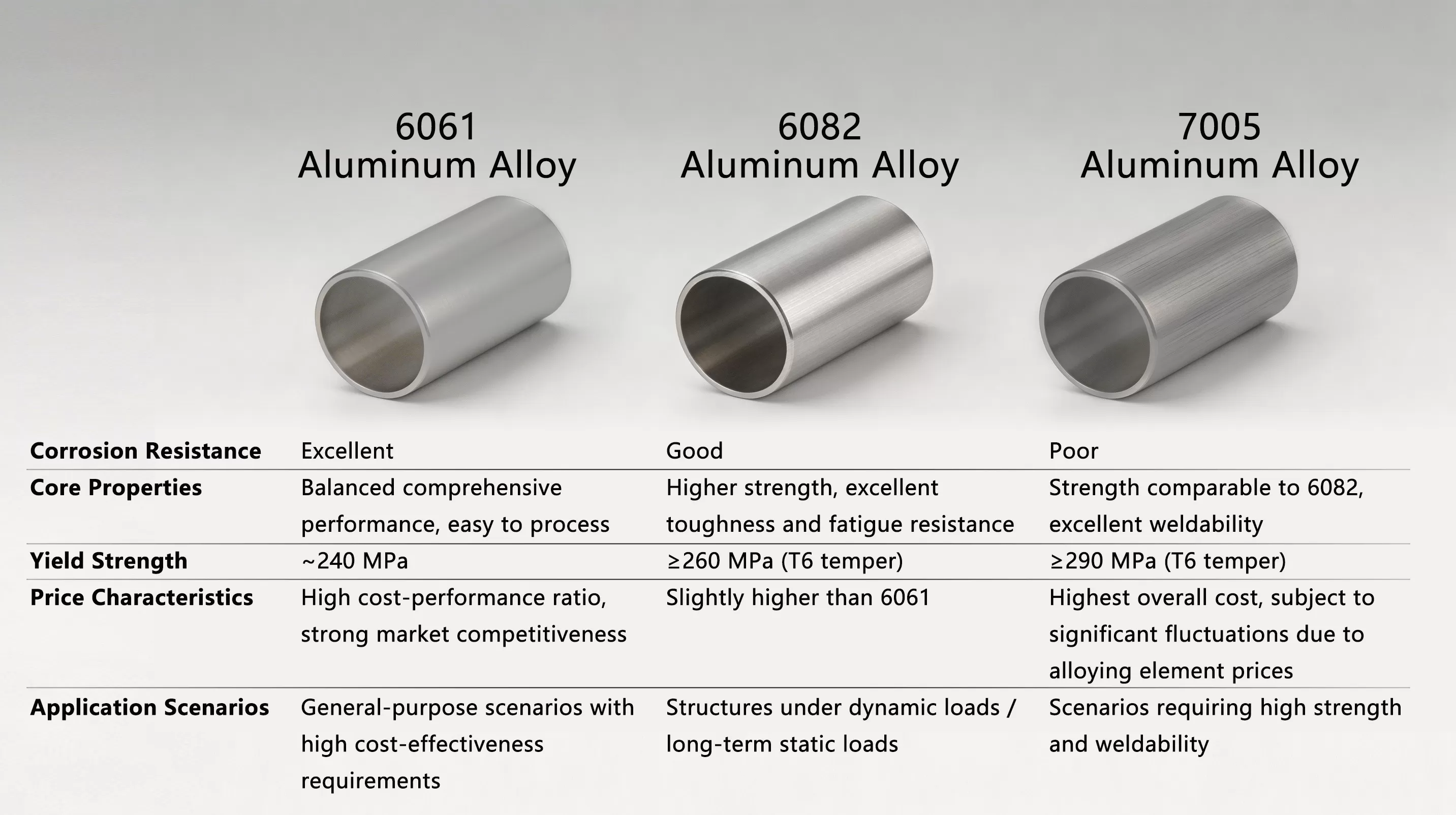
Taking into account both performance and application scenarios, 6082 aluminum alloy offers higher strength, good fatigue resistance and safety margin, making it more suitable for truss structures that bear dynamic loads and long-term static loads.
II. Basis for Scientific Selection of Aluminum Materials
1. Conformity to standards: It must meet the requirements for mechanical properties and dimensional tolerances stipulated in national standards such as GB/T 6892-2015 "Aluminum and Aluminum Alloy Extruded Profiles for General Industrial Use" [3].
2. Matching working conditions: The load-bearing nature of the truss (static load/dynamic load), usage environment (indoor/outdoor), and disassembly and assembly frequency should be evaluated. Based on this, the fatigue resistance, corrosion resistance, or wear resistance of the material should be emphasized.
3. Supply chain guarantee: Aluminum Truss Suppliers should be able to provide stable chemical composition, mechanical properties, and complete batch inspection reports. Manufacturers with nationally recognized laboratories are more trustworthy.
III. Why does WTC insist on using 6082 T6 aluminum material?
In the specialized field of manufacturing medium and large-sized, high-load-bearing, and high-frequency-used trusses, WTC has always insisted on using 6082 T6 aluminum material. The core reasons are as follows:
Precise matching of performance and safety: Compared with 6061, the higher yield strength of 6082 T6 provides greater safety redundancy for aluminum truss, especially when dealing with complex dynamic loads in performances and exhibitions. Its superior fatigue resistance (refer to the relevant design concepts in EN 1999-1-1:2007 [4]) can better ensure the structural safety and service life during long-term use.
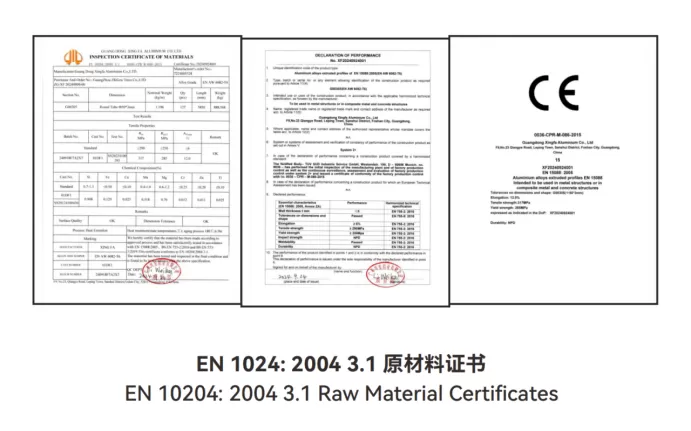
Source-level quality control system: We not only choose the leading domestic Xingfa Aluminum Industry, but also establish strict incoming material standards. Each batch of raw materials is fully tested by the manufacturer's own CNAS nationally recognized laboratory to ensure compliance with standard requirements, and is accompanied by authoritative CE certificates (in accordance with standards such as EN 755-9 [5]), achieving traceability of performance.
Reliability of Dual Verification: On top of the in-house inspection of all aluminum materials, they are regularly sent to third-party institutions such as SGS for independent testing and certification. This dual guarantee mechanism ensures that the material performance of each truss is solid and reliable.
IV. Conclusion
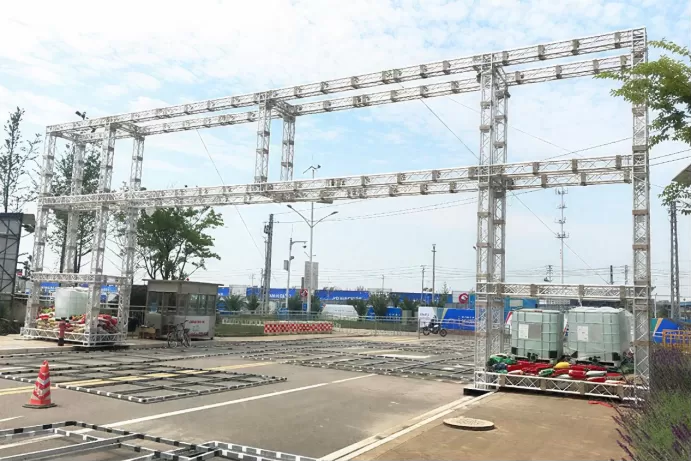
The most expensive thing is never the product itself, but the potential risks. Choosing aluminum alloy materials is a precise balance between performance, cost, safety and reliability. For aluminum alloy trusses that carry safety and trust, it starts with the selection of high-quality raw materials and is supplemented by extremely strict quality control, which is the only way to create an outstanding product. The choice of 6082 T6 by WTC Truss is the embodiment and persistence of this concept in a specific professional field.
References:
[1] GB/T 3190-2020 Chemical Composition of Wrought Aluminium and Aluminium Alloys [S]. Beijing: State Administration for Market Regulation, 2020: Table 1; GB/T 3880.2-2012 Aluminium and Aluminium Alloys - Sheet, Strip and Plate for General Industrial Purposes - Part 2: Mechanical Properties [S]. Beijing: China Nonferrous Metals Industry Association, 2012: Table 2 (Reference for Mechanical Properties of Profiles).
[2] ASM International. ASM Handbook Volume 2: Properties and Selection: Nonferrous Alloys and Special-Purpose Materials [M]. USA: ASM International, 2019: 89-92.
[3] GB/T 6892-2015 Aluminium and Aluminium Alloys - Extruded Profiles for General Industrial Purposes [S]. Beijing: State Administration for Market Regulation, 2015: Chapter 5, Chapter 6.
[4] EN 1999-1-1:2007 Eurocode 9: Design of Aluminium Structures - Part 1-1: General Rules [S]. Belgium: European Committee for Standardization, 2007: Chapter 3, Chapter 6.
[5] EN 755-9:2016 Aluminium and Aluminium Alloys - Extruded Bars, Sections and Profiles - Part 9: Profiles - Dimensions and Shape Tolerances [S]. Belgium: European Committee for Standardization, 2016: Entire Document.
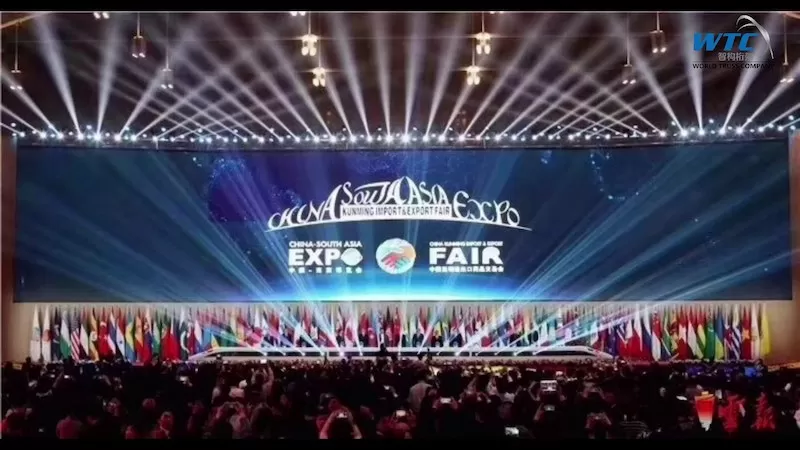 Why Partnering with a China-Based Aluminum Truss Factory is the Smart Move for OEM Clients
 Square Truss: Why Heavy-Duty Systems Are Essential for Massive LED Screens in 2026
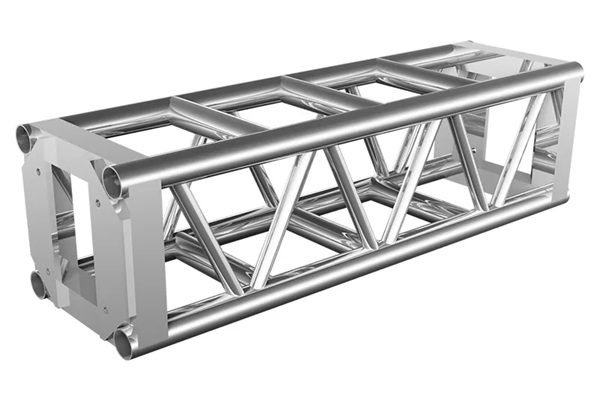 The Application of Bolted Truss in Stage Design
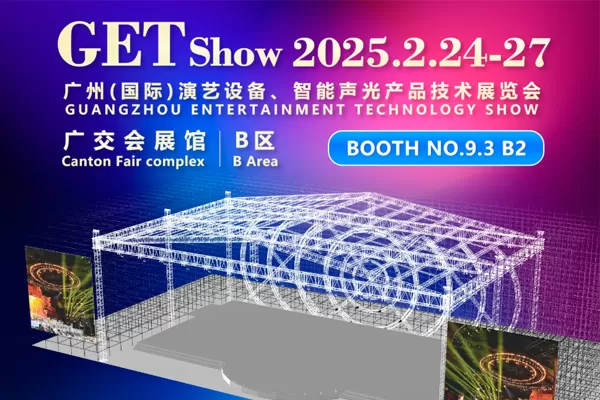 Honour to Invite You Visit GETshow2025!