-
- EN
-
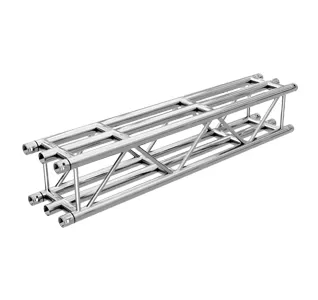
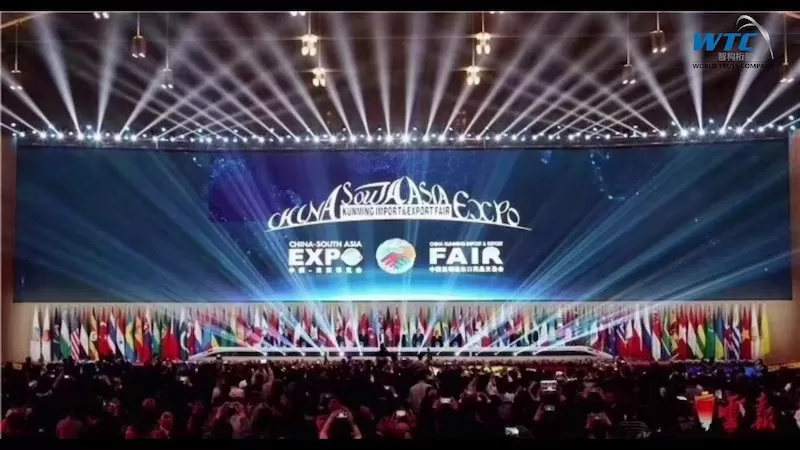
Truss structures are widely used in stage performances, exhibition custom builds, venue construction, outdoor temporary works, and other scenarios. A truss is not simply a set of metal components assembled together. A professional, complete truss system solution is the key to ensuring engineering safety, matching site conditions, and controlling project implementation costs.
WTC has been deeply engaged in the truss engineering field for many years, providing one-stop complete truss system solutions. Our business covers custom solution design, structural verification, component matching, erection technical guidance, and later-stage operation and maintenance, forming a full-process closed-loop service. Relying on professional structural design, we ensure every truss system fits the project scenario, achieving structural stability, controllable safety, and efficient implementation. The following explains the core value of a professional truss system solution.
I. What Is a Truss System? Core Advantages Over Ordinary Erection
A truss system is a modular spatial load-bearing system based on triangular rigid units, with metal members connected through standardized nodes. Mainstream materials include aluminum alloy and steel. It is a preferred structural form for long-span, high-load conditions.
Truss structures can convert concentrated loads into axial tension and compression in members, achieving uniform load transfer and avoiding component deformation and collapse risks caused by single-point concentrated loading. This is fundamentally different from solid steel frames and simple on-site welded structures.
Three core advantages of truss systems:
1. Lightweight and high-strength, excellent overall cost-performance.
Under the same load-bearing capacity, less material is used and self-weight is lower, effectively reducing transportation, lifting, and foundation load requirements. The structure offers excellent load-bearing, wind-resistant, and seismic performance, making it suitable for long-span suspended rigging and installation.
2. Modular construction, flexible scenario adaptation.
Standard members can be freely spliced and extended. The structural form can be adjusted according to site conditions, geometric requirements, LED screens, lighting, audio, and other rigged equipment, adapting to indoor and outdoor projects of various scales.
3. Stable structure, reusable through multiple turnover cycles.
High overall stiffness and resistance to deformation, reliable joint connections, and good weather resistance allow it to adapt to complex outdoor environments. Easy assembly and disassembly and low component wear support repeated reuse, resulting in lower overall cost for long-term projects.

II. A Complete System Solution Is Far Superior to Merely Purchasing Truss Members
Some safety hazards in truss projects are not caused by defects in the components themselves, but by unreasonable system design and insufficient matching to overall working conditions. Purchasing truss members alone is like having only building blocks: without force calculations, construction drawings, and on-site working-condition adaptation, problems such as improper span selection, insufficient load-bearing margin, and substandard wind resistance are highly likely. In minor cases, the intended aesthetic effect cannot be achieved and rigged equipment cannot be installed; in severe cases, hidden structural safety hazards are created, causing schedule delays and budget waste.
Truss erection is a systematic engineering undertaking. It requires coordinated consideration of structural safety, code compliance, site adaptability, construction efficiency, and project cost. WTC’s full-service offering addresses customer pain points such as lack of structural design capability, no professional verification, component selection errors, and no on-site technical support.

III. Core Technical Points of a Complete Truss Solution
WTC carries out customized design based on actual project working conditions, rather than applying generic templates. It combines site conditions, load parameters, schedule requirements, and project budget to create a dedicated solution, with strict control of key details throughout the entire process:
1. Preliminary custom solution design. Based on site dimensions, clear height, ground bearing capacity, and weather conditions, the technical team tallies all suspended loads from lighting, audio, LED screens, etc., avoiding insufficient load allowance, poor spatial planning, and dimensional deviations. For irregular shapes, extra-large spans, and high-risk outdoor projects, dedicated structural optimization is carried out to balance aesthetic form and structural practicality.
2. Professional structural verification to hold the safety bottom line. All solutions undergo rigorous mechanical verification, checking member internal forces, node load-bearing capacity, and overall wind, seismic, and compression resistance indices, in compliance with relevant industry construction codes. For large outdoor performances, elevated exhibition booths, long-term fixed venues, and similar projects, additional structural reinforcement is provided to eliminate risks of component loosening, deformation, and collapse. Compliant structural calculation documentation can be provided.
3. Integrated and precise component matching. Relying on a complete product system, the full set of components—including trusses, bases, support members, and connectors—is matched according to the approved solution, avoiding mismatches between the solution and components and missing accessories. All components undergo factory quality inspection, and their materials and machining precision meet load-bearing and assembly requirements, ensuring overall structural stability.
4. On-site implementation technical guidance. Even when the solution and components are fully qualified, non-standard construction can still affect structural safety and erection quality. The WTC team can provide remote installation guidance, node verification, and structural reinforcement technical support, promptly handle on-site contingencies, standardize construction operations, reduce rework, and ensure on-time project delivery.
5. Multi-scenario working-condition adaptation. The solution can be applied to exhibitions, performances, events, fixed venue ceilings, outdoor lighting, factory building construction, temporary aerial work platforms, and other scenarios. It can be implemented from small, simple projects to large, irregular, high-difficulty engineering projects.

IV. Choose WTC, Choose Professional Assurance
The core competitiveness of the truss industry does not lie in low-priced components, but in structural solution design, safety control, and implementation service capabilities. WTC is committed to providing worry-free and reliable one-stop truss engineering services. Through refined custom system solutions, it solves challenges such as difficult scenario adaptation, unguaranteed structural safety, low construction efficiency, and hard-to-control costs.
Our business covers design, structural verification, component matching, implementation, and after-sales as a one-stop service. With professional design, project experience, and quality control, we deliver truss systems that are structurally stable, precisely adapted to working conditions, safety-compliant, and highly cost-effective.

 Why Partnering with a China-Based Aluminum Truss Factory is the Smart Move for OEM Clients
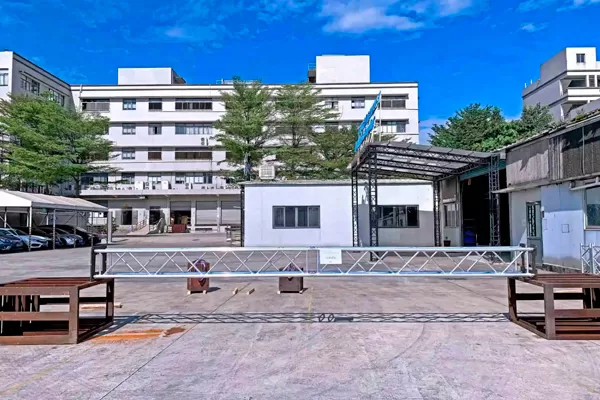 Congratulations on Passing the HT44 Bearing Test for Intellectual Truss!
 Uncompromising safety & quality standards define our pricing
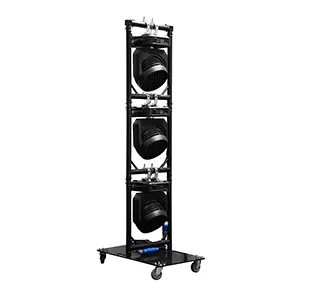
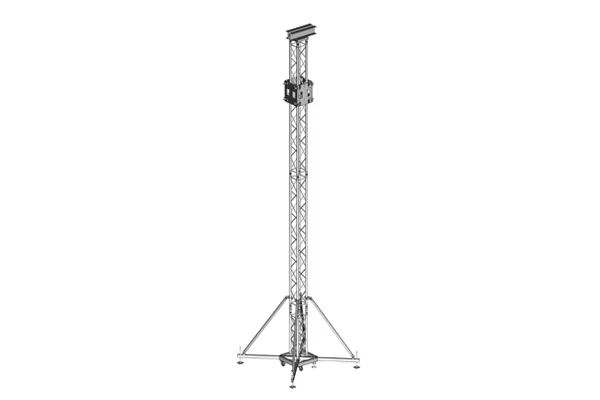 【WTC】TOWERS
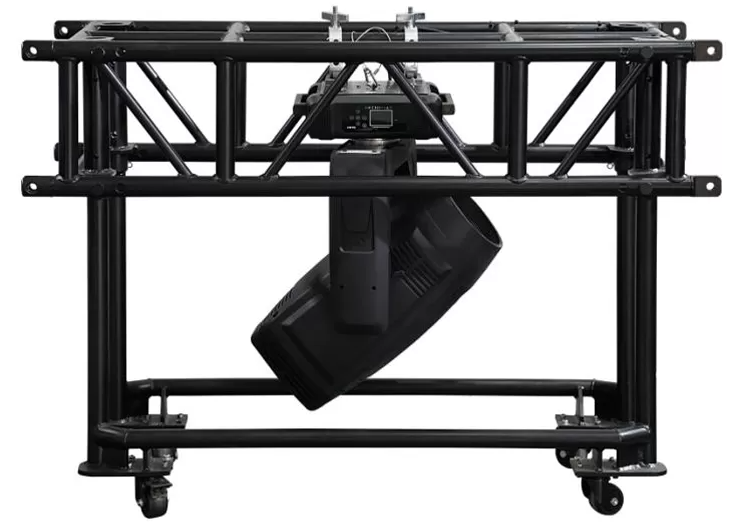 Black Powder Coating vs Natural Aluminum: Which Finish Is Best for Your 2026 Touring Truss Rig?